
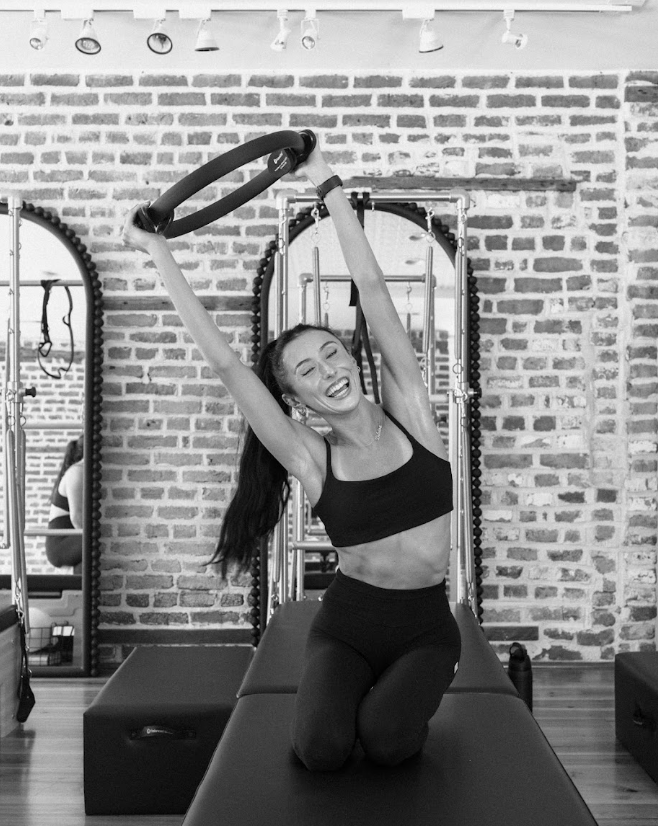
At Cielo Pilates Studio, the Pilates Method is more than just a series of exercises. It is a practice of moving with intention, cultivating body awareness, and developing strength, control, and connection through purposeful movement.
At the foundation of the method are six guiding principles: breath, concentration, centering, control, precision, and flow.
These aren't six separate things that we switch on and off. They work together throughout every movement, creating a practice that is connected, intentional, and purposeful.
What makes these principles so powerful is how closely they work together. Breath supports control, concentration guides precision, centering provides stability and flow connects each movement into a cohesive whole. Rather than working independently, each principle reinforces the others, creating a more integrated, intentional, and effective approach to movement
1. Breath
Breath helps coordinate movement and supports the work of the body. In Pilates, we often use lateral breathing, allowing the ribcage to expand outward and backward while maintaining awareness of the abdominal muscles.
Breath isn't simply something that happens alongside movement. It helps create connection, support, and awareness throughout the practice.
2. Concentration
Pilates asks us to be mentally present. Rather than simply moving through a series of repetitions, we pay attention to what the body is doing, how each movement feels, and how different parts of the body work together.
This focused attention helps us become more aware of our movement and more intentional in how we practice.
3. Centering
Centering refers to organizing movement around what Joseph Pilates called the body's “powerhouse”, the abdominals, back, hips, and gluteal muscles.
The center provides support for the spine and helps coordinate movement throughout the body. Developing awareness and strength through the center creates a foundation for the rest of the practice.
4. Control
Joseph Pilates originally called his method Contrology, reflecting the importance he placed on conscious control of movement.
Each exercise asks us to move with intention rather than relying on momentum. Control allows us to better understand the movement, stay connected to the body, and execute each exercise with purpose.
5. Precision
Precision is about the quality of the movement, not simply completing an exercise.
Alignment, placement, and attention to detail help us work toward the purpose of each movement. Small adjustments can change how an exercise feels and what the body is able to accomplish.
6. Flow
Flow connects the exercises and transitions into a continuous, coordinated practice. Rather than treating each movement as an isolated exercise, Pilates encourages smooth, coordinated transitions. Movement becomes more fluid and efficient while maintaining control, precision, and awareness.
Flow is where the principles begin to feel less like individual concepts and more like one integrated practice.
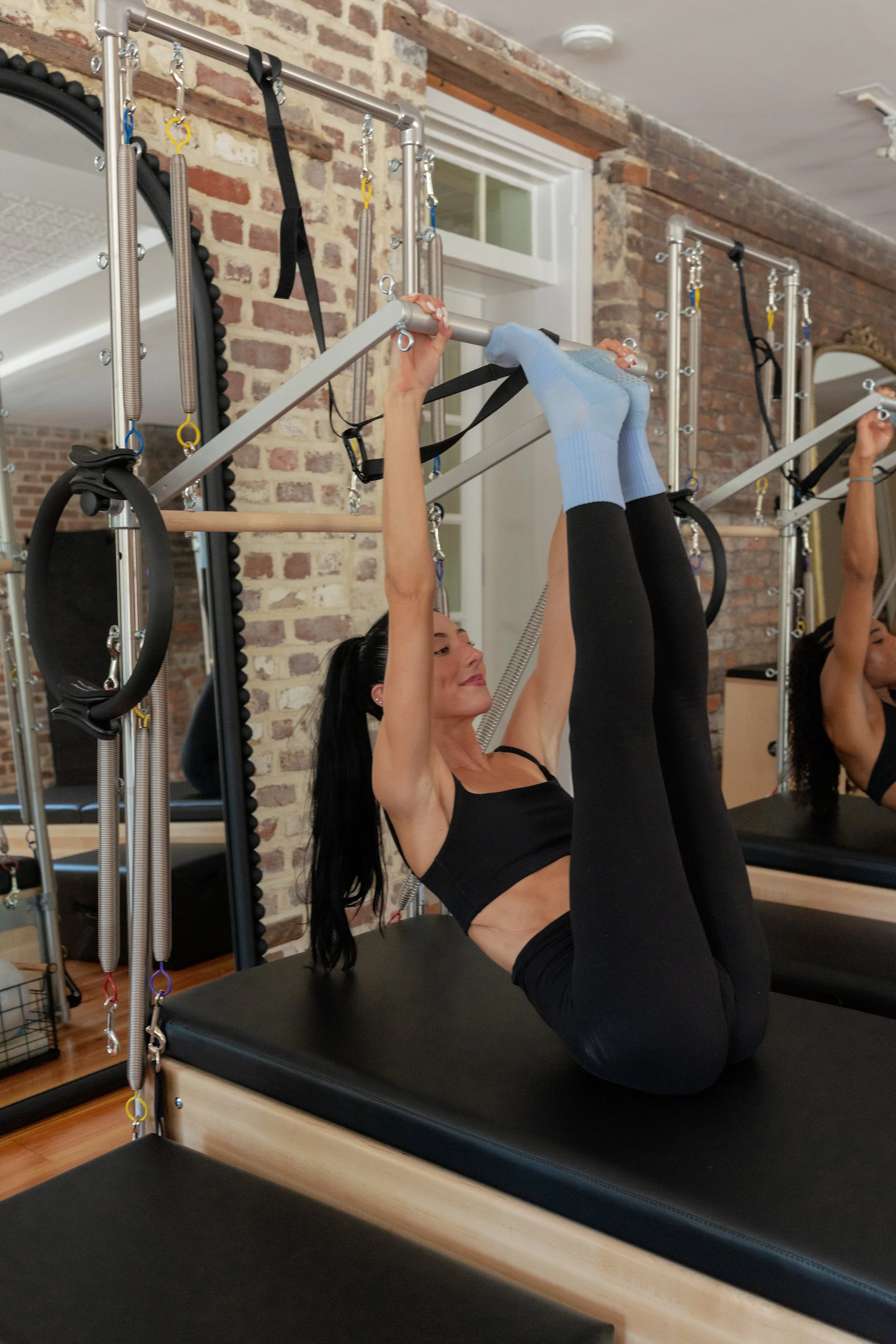
The Principles Work Together
The six principles of Pilates are most powerful when viewed as a whole.
Breath creates support. Concentration creates awareness. Centering creates organization. Control creates intention. Precision creates quality. Flow creates connection.
Together, they shape the way we approach movement at Cielo, not simply focusing on what exercise we're doing, but on how we're moving, why we're moving, and what we're learning from the movement.
The goal isn't perfection. It's developing a deeper understanding of your body and learning to move with greater awareness, strength, control, and ease.